
A time for reflection
Living in South Dakota my entire life, I’ve learned to love (and loathe) the extremes of all four seasons. In the fall, the trees shed their leaves, offering colorful crunchy piles to jump in, while the winter brought forward freezing temperatures and unpredictable levels of snow. Spring was often chilly and wet, and summers were marked by heat, humidity, and thunderstorms. Each season had its qualities to love. As a true Midwesterner, I would find myself complaining about whatever season I was currently in, yearning for the next season to arrive, which I would shortly complain about in time. But despite this cyclical cycle of cynicism, I was adamant that I would never live anywhere that didn’t have four seasons – specifically I didn’t want to live somewhere that didn’t experience snow once a year.
Well, we’re mid-winter here in New Zealand and I can say that at least for this first year, I’m rather content with the mild weather we’ve been having. I’ll admit that the nights and early mornings are quite cold, getting down to 4 degrees Celsius on the coldest of nights (~39 F). But so far this year the daytime temps are getting up to 16 degrees (~60 F) or even 18 when the sun is out. It’s bizarre to walk around the neighborhood and see lush green grass and plants, trees full of citrus fruit and blossoming flowers of every color. It’s hard to get the winter blues when it’s utterly beautiful everywhere you look.
Though the weather here is not nearly as cold as South Dakota, we find ourselves constantly layering up and snuggling under blankets as soon as the sun goes down. New Zealand homes are built to keep people cool in the summer, but not so much warm in the winter. Central heating/cooling is uncommon, so instead families place heat pumps (which also serve as air conditioners) in the most-used rooms of their home – often bedrooms and maybe a living room. Plug-in heaters/radiators are also common, especially for homes that do not have heat pumps installed. And while these energy-efficient climate systems are helpful, they are no match for the ease of climate control we’ve grown accustomed to in the US.
The changing of seasons has revealed a lot about life and culture in New Zealand. Beyond the difference in heating and cooling, access to fruits and vegetables is also unique. While the price of strawberries and blueberries always was higher back home during the winter months, you’ll be lucky to even spot these fruits at your local grocer here. I did manage to find strawberries at Costco a few weeks ago, but $40 for 1 kg (2.2 lbs) was rather unacceptable (sorry Larsen!) We’ve also learned that Kiwis are quite weather resilient. There’s always at least one person taking a dip at the local beach, and everyday I drop Larsen off at school I see kids walking to school barefoot, seemingly unbothered by the chilly air. Just the other day I was riding the bus in my winter jacket with a scarf and saw a man running barefoot without a shirt as if it we were in the midst of summer. Good on you mate – but I’ll be sticking with my winter socks and sweaters for now.
Mid-winter also marks a significant Māori holiday known a Matariki, which only recently became a national public holiday thanks to former Prime Minister, Jacinda Ardern. In Māori culture, the rise of the Matariki star cluster – known in other cultures as the Pleiades, Seven Sisters or Subaru – signifies a shift in seasons and the beginning of the new year. Historically, this time marked the end of harvest for Māori ancestors and was seen as a time to gather, reflect, and learn.
The star Matariki represents health and well-being and is considered the mother of the eight surrounding stars, each holding their own special meaning within the constellation. (You can read more about it here). There are three main principles of Matariki – Mauri Mate (Remembrance), Mauri Ora (Celebrating the Present), and Mauri Noho (Looking to the Future). Mauri Mate focuses on remembering those who have died in the past year and is connected to one of the nine stars – Pōhutukawa, which reminds us to honor the memories of our loved ones. It’s believed that as the constellation rises and the stars become visible, the spirits of the deceased rise to the heavens to become stars in the sky.
Mauri Ora reminds us to gather with friends and family (whānau) to share food (kai), sing traditional songs and practice gratitude for what surrounds you. Finally, Mauri Noho looks ahead to the coming year and all that it may offer. The youngest star of the constellation, Hiwa-i-te-rangi, is known as the “wishing star” where one can send their dreams and aspirations for the new year.
At school, Larsen’s kapa haka group hosted a Matariki celebration, which included singing, dancing, and breakfast. For the weeks leading up to the early morning performance, Larsen could be heard around the house singing Māori songs in preparation. At work, my department hosted a Matariki Hakari (feast). People from across the department brought in food that represented and honored their culture. From homemade dumplings and chicken curry to apple tarts and puppy chow (my contribution), we celebrated the diversity of our teams and shared stories about traditions from home.
On the evening of Matariki, we met up with some fellow American friends and visited a local festival at Lake House Arts, a local art studio where Larsen attends camp during school holidays. There was an array of food tents, art vendors, and hands-on activities where Larsen got to learn how to weave grass and carve wood in traditional Māori designs. A local haka group performed some traditional songs and even took a moment to honor loved ones by allowing the group to shout out the names of those they’ve lost. Though we came home with cold noses and frozen toes, my heart was warm and full of joy from a night well-spent amongst our new community.


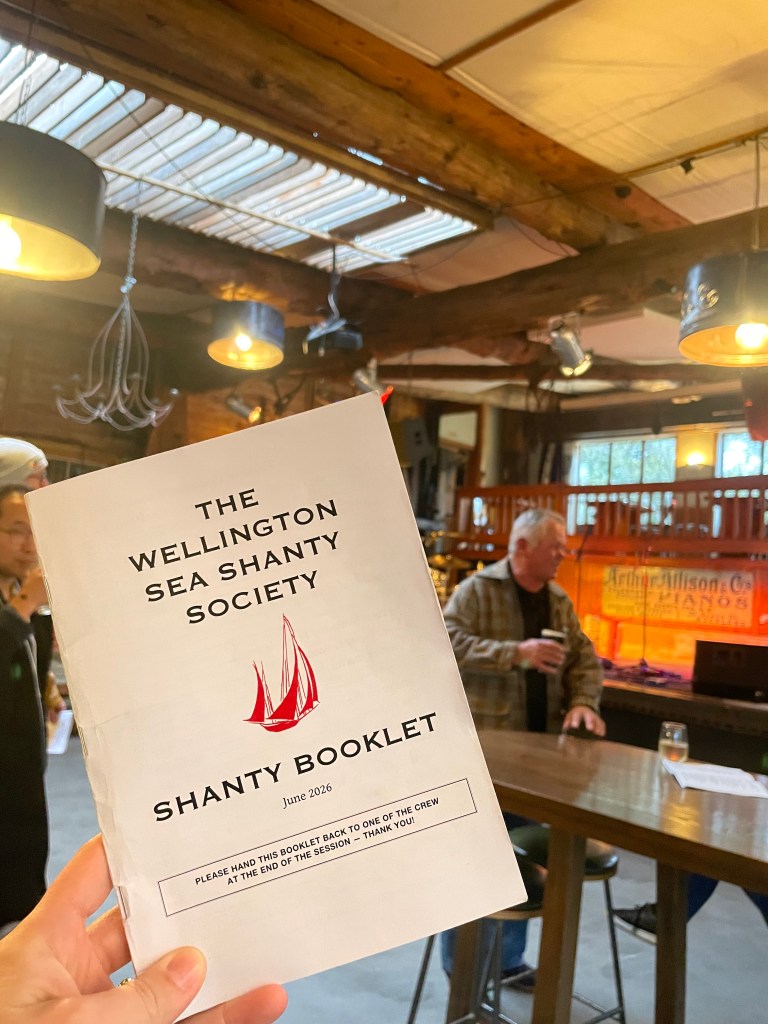
It’s taken nearly a year, but we have slowly been building a community around us, transforming our life here from quiet and isolated to vibrant and lively. More and more we find ourselves busy on the weekends, chatting with parents on the sidelines of games, setting up play-dates with Larsen’s classmates, or making plans to meet up with friends to hike through the forest, watch a World Cup game or attend a sea shanty sing-along with the Wellington Sea Shanty Society. With only a month and a half to go before we hit our biggest milestone yet (one year living abroad), I’m embracing the Matariki lessons of reflection, gratitude, and hope for a beautiful year ahead.
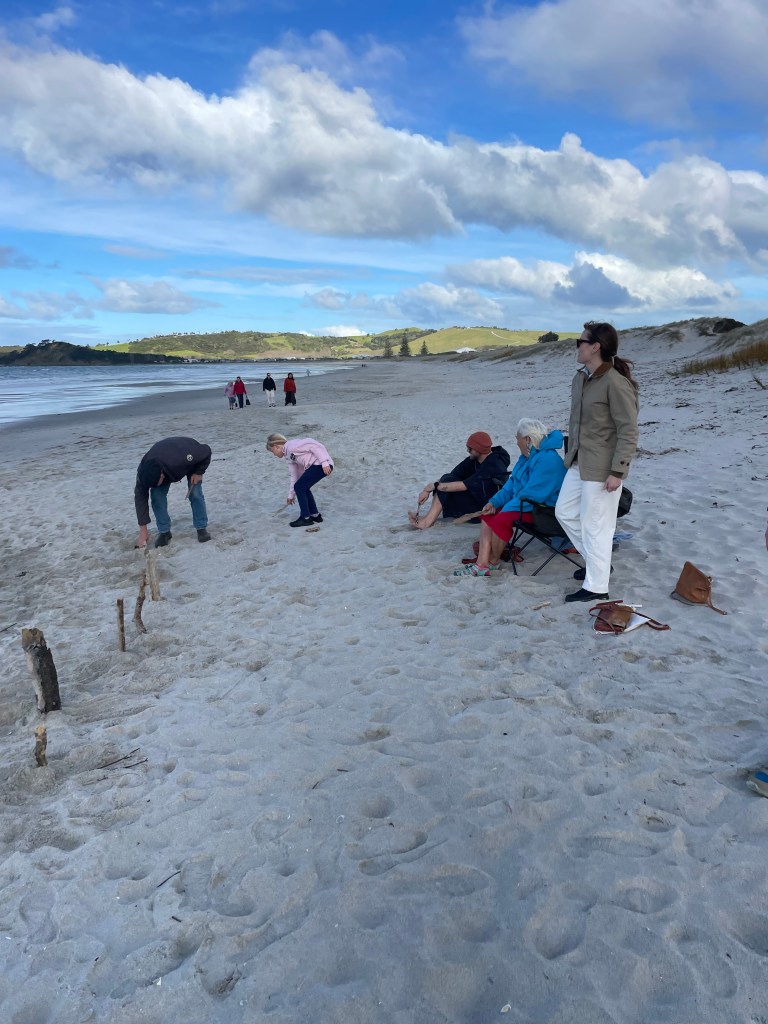
See below for pictures of our mid-winter excursions and activities, both big and small.











Leave a Reply