Growing up in South Dakota, living amongst a homogeneous, predominantly white, Christian community, we had little exposure to other cultures and beliefs. The extent of diversity around me was limited to the few Jewish or African American classmates who were put on display for Hannukah or Kwanza, expected to teach the rest of us about their holidays once each year.
And, despite living in a state home to nine unique indigenous tribes, very few (if any) of my classmates identified as indigenous. I honestly cannot remember meeting someone who was a member of a Native American tribe until I attended college at the University of South Dakota. Even then, I only learned this individual was part of a local tribe after using the phrase “Indian giver,” a deeply ignorant phrase referencing the concept of giving someone a gift and then instantly taking it away. I will never forget the look on this girl’s face at my terrible choice of words, her expression filled with hurt and anger. To this day, I feel uncomfortable thinking back to the ignorance of my youth and the lack of understanding I had for other cultures that were present in my community all my life.
During my time at USD, I majored in International Relations, which included a heavy amount of coursework in Anthropology, the study of cultures. I had chosen my major after spending a few years volunteering at a store in downtown Sioux Falls called Ten Thousand Villages (a non-profit store that sells handmade products from developing countries, the profits of which are returned to the original artists). My older sister Amy had encouraged me to join her as a volunteer, where we both were exposed to products, goods, and stories from countries and cultures all over the world. The time I spent in that store changed me in such a profound way, educating me about the vastness of our world and the joy and struggles of those living in other places.
College offered me space to expand on this newly formed curiosity, and helped me uncover my passion for multicultural exploration. It was then that I realized the foundation of my life was built on the ideals of individualism, a moral position emphasizing the inherent worth of the individual rather than the collective. The morals and principles I had been taught to uphold were coated in ignorance, valuing independence and self-worth, leaving me misguided and unprepared for the multifariousness of our world.
During my four years in undergrad and two years in graduate school, I took advantage of every Anthropology course I could get my hands on, soaking up the writings of Margaret Mead, envying her commitment to field work and the exploration of “the other.” Throughout my education, it became clearer and clearer to me that much of the world’s cultures were focused on the “collective,” rather than the “individual.”
For example, many traditional African societies raise children collectively, leaning on extended family for the growth and development of the young, thus supporting the parents (particularly the mother) during those early, formative years. In various Latin American cultures, collectivism is deeply valued, and concepts such as “familismo” honor the family and needs of others, rather than the individual self.
Throughout my adulthood, I’ve continued to explore the diversity of cultures around me with Austin and Larsen at my side, gaining insight into other ways of existing beyond the closed minded perspectives predominant in the Midwest. When Austin and I decided to get married and spend our lives together, we promised one another we would focus our life on having experiences and travel whenever and wherever we could. Our shared passion has not only brought us closer together, but allowed us to instill in Larsen that same sense of curiosity for adventure and discovery. Our privileges have allowed us to travel across Mexico, Canada, Europe (France, Italy, UK, Spain, Belgium, Denmark, Norway, Iceland), Central America (Belize, Costa Rica) and the Caribbean (Dominican Republic, Jamaica).
Despite our love of travel and multicultural exploration, we never imagined moving abroad or leaving our well-established community, where all three of us were born and raised. We didn’t dream of living abroad or taking sabbaticals overseas. We simply envisioned a life of traveling in which we would always return to the comforts of our home and the stable foundation of the life we had built. But as the world we loved began to change for the worse and the foundation of our life began to crack, we were faced with a life-changing decision. We could close ourselves off and hide, live in fear, and accept that our fate is to live in a society that cares more about individual gain than mass suffering. Or, we could accept that the world is a vast, interconnected place with cultures and societies that may honor our shared values and accept us as one of their own.
Fast forward to today, two weeks into our biggest adventure yet, we feel confident and proud of the decision we’ve made. Aotearoa (pronounced ah-oh-teh-ah-roh-ah), the Māori name for New Zealand, is home to some of the friendliest and most helpful people in the world. (Seriously, they come in 3rd on U.S. News and World Report). We’ve not only read about the kindness of Kiwis, but experienced it every single day from the moment we landed.
In the States, the airport is often a place of tension and stress, where unpredictable TSA agents shout commands and anxious travelers reveal the worst of their behaviors. The Auckland airport greeted us with friendly security agents welcoming us as guests and conscientious staff willing to hand over their personal cell-phones over to a strange American who couldn’t figure out how to make a call from her own device (guilty!). As we drove through New Zealand’s largest city, trash and litter were scant and the city center itself was quite clean and well maintained. Riding public transportation, we not only noticed how clean the buses are, but nearly everyone says “hello” and “thank you” to the bus driver as they tag on and off the bus (tagging = swiping your bus pass to pay for the ride).
While our time in New Zealand these past 14 days has been more than just rainbows and sunshine (trust me…we’ve shed many tears and endured many tantrums…not all of them from Larsen), observing and experiencing the life of a Kiwi has opened our eyes to what it could be like living in a society that prioritizes the greater good over one’s individual desires. At every beach and park, you can find signs requesting visitors to respect the wildlife, taking care to protect this beautiful land and the animals and wildlife they share it with. The shared responsibility to take care of Papatūānuku (earth mother) is palpable, and despite our short time here, we already feel a strong connection to this land and its people.
Before arriving, I worried about how we would be received by the New Zealand people. Would we be welcomed as fellow Kiwis, or treated as outsiders? Would we get dirty looks when someone heard our American accents? Would they accuse us of taking their jobs, or be grateful for the skills we bring with us? In the US, immigrants and visitors from other countries are often treated with disdain and annoyance. Because we had laid witness to the atrocious treatment many Americans give to outsiders, I feared we too would be judged or unwelcome. But our experience couldn’t be further from the truth.
The Māori of Aotearoa believe that everything in the world is related, shared through genealogy (tātai) and stories (kōrero). Together, this linking of all things is known as whakapapa, meaning “to make a foundation.” According to the book Te Taiao Maori and the Natural World, which I recently picked up at the Takapuna Library, “Experts recited the whakapapa of people, living things, the heavens or the weather to explain the relationships between all things and thus to place themselves within the world. This helped people to understand the world, and how to act within these relationships.” In Māori culture, the world is “seen as a vast and complex whānau (family).”
It is no wonder that we have felt so welcome and accepted in this beautiful island country, whose foundation of culture is built on the idea that we are all interconnected – both people and land. On our first morning here, we ventured to a local French café for some coffee and breakfast. We received a few inquiring glances as we chatted at our table. I grew anxious that judgement was brewing, but as we stood to leave, a group of women sparked up a conversation with us eager to hear what these young Americans were doing in this small community café. As we shared our story of leaving the US to move to New Zealand, the entire place clapped and cheered, welcoming us to their home country. There was true excitement in their faces in hearing we were choosing to settle here. Leaving the café, I turned to Austin with tears in my eyes, because despite reading about the kindness of Kiwis, I had never anticipated such a warm and heart-felt reception.
Leaving everyone we know and love behind, in a country that seems on the brink of destruction, we have often felt lost at sea, exhausted from trying to stay above water, drifting aimlessly and hoping to find land and solid ground to stand on. The Māori believe that “a person’s search for their own foundation, values and principles is compared to a journeying canoe looking for land. An island comes as relief to the weary ocean traveler.”
Well, these weary travelers have found their island and begun to rebuild the foundation for what is surely to become a beautiful and refreshing new beginning.
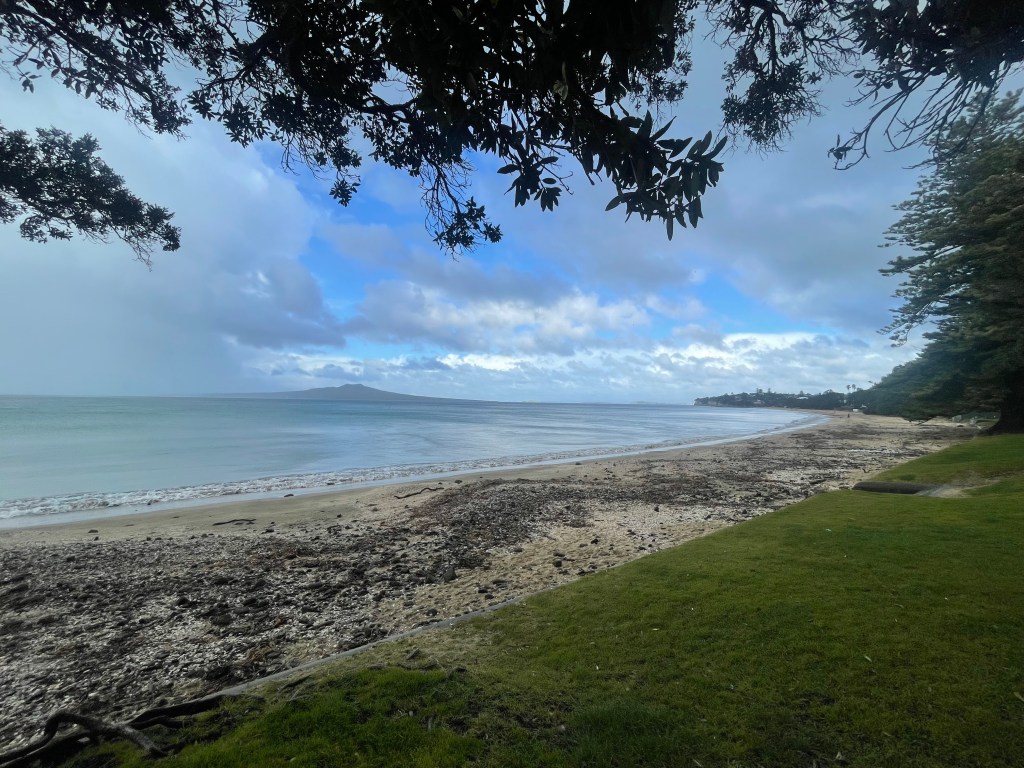
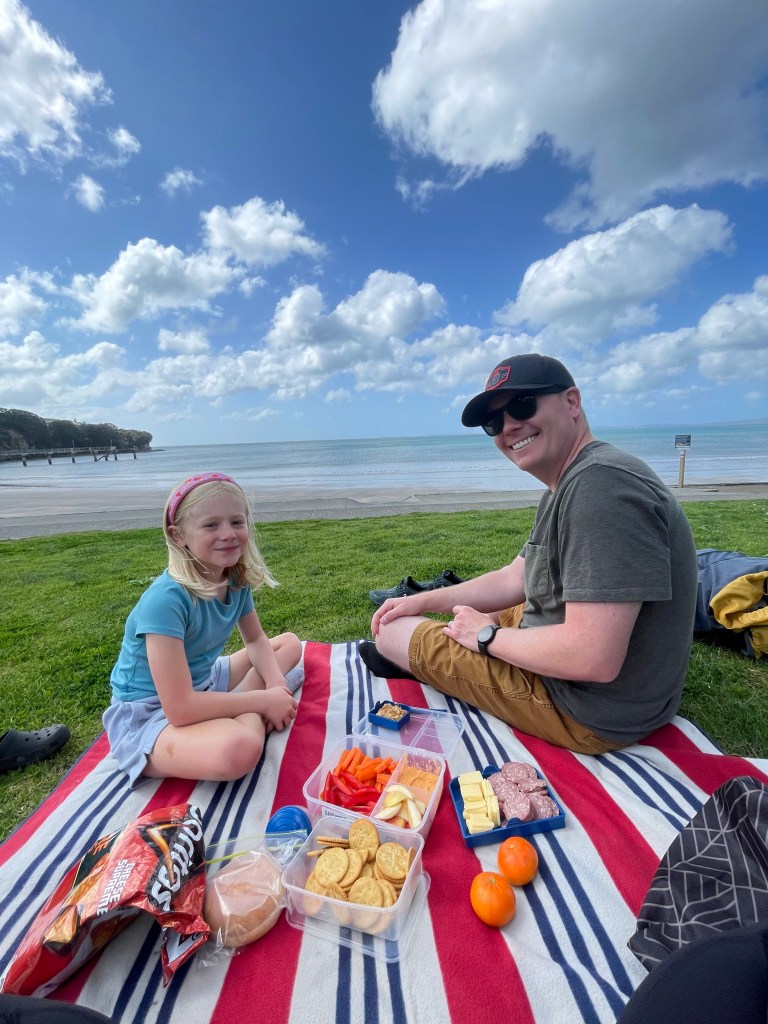
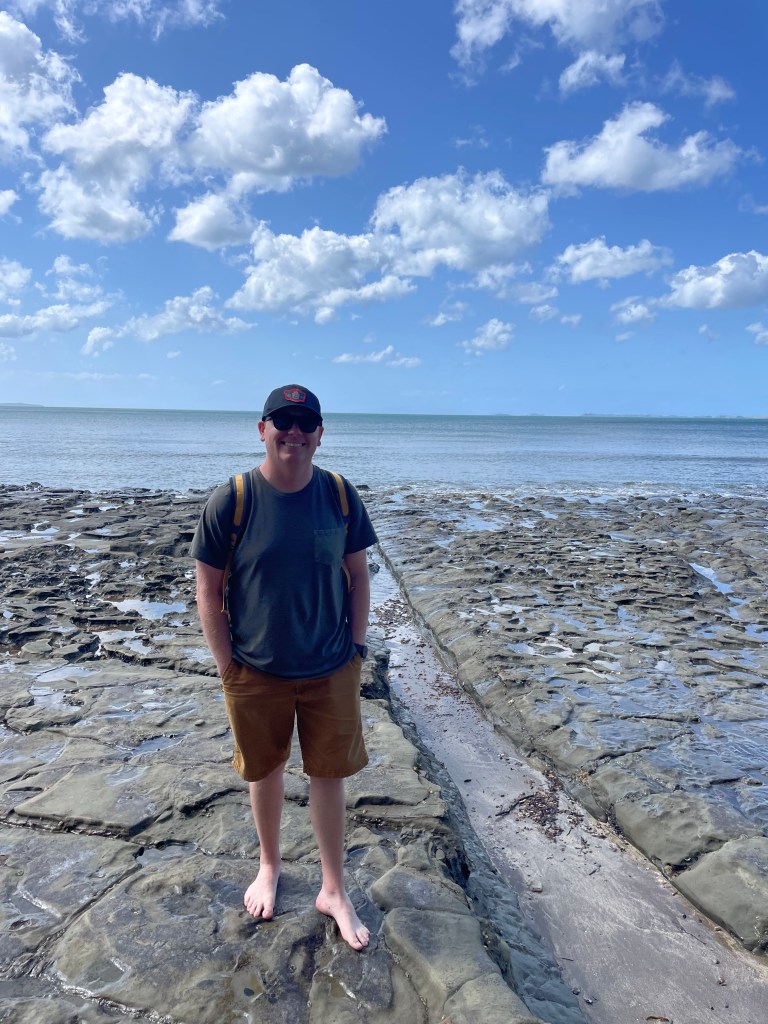
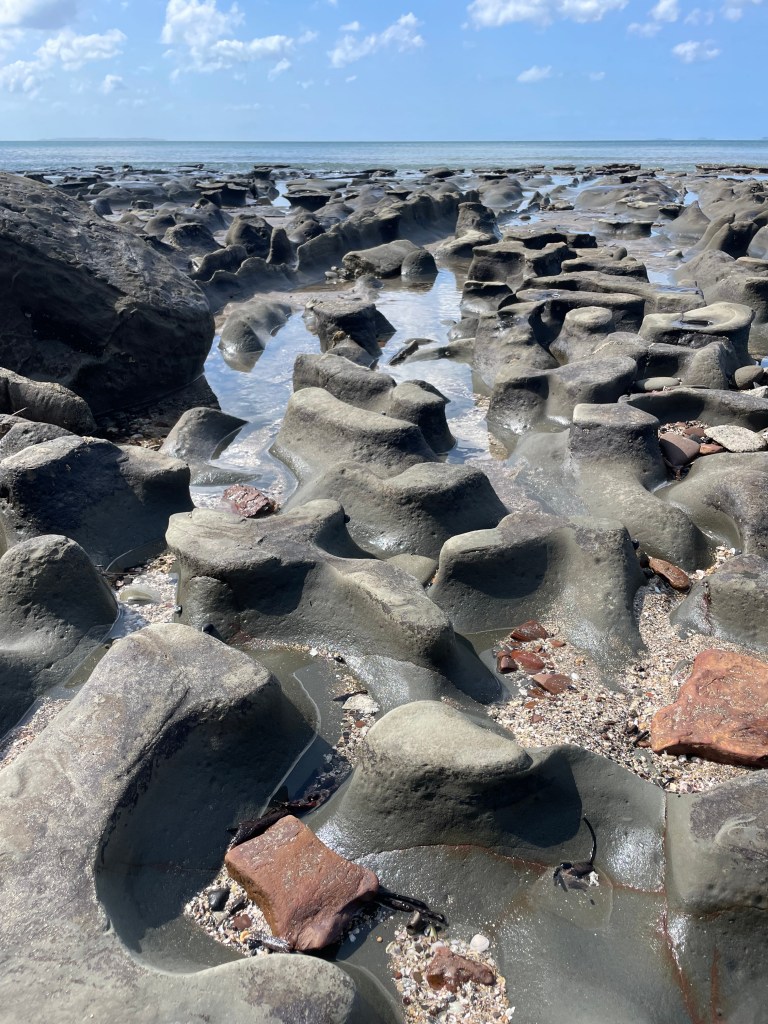
See below for some updates on our latest adventures!


 Midwest Kiwis
Leave a comment